

What Your Gums May Be Telling You About Your Oral Health

Refresh Your Smile in April with Mountain Aire Dentistry
April 2, 2026What Your Gums May Be Telling You About Your Oral Health

When most people think about oral health, they tend to focus on their teeth. However, your gums play an equally important role in keeping your smile healthy. In fact, your gums can often be one of the first places to show signs that something is going on with your oral health. Paying attention to changes in your gums can help you catch problems early and protect both your teeth and overall wellness.
At Mountain Aire Dentistry, we believe preventive care starts with understanding the warning signs your body gives you. Your gums can reveal a lot about your oral health, from early gum disease to signs of brushing habits that may need adjusting.
Healthy Gums: What to Look For
Healthy gums should be firm, smooth, and light pink in color, although the exact shade may vary from person to person. They should fit snugly around your teeth without appearing swollen or pulling away.
When your gums are healthy, they typically do not bleed when you brush, floss, or eat. They should also feel comfortable without tenderness or pain.
If you notice any changes in color, texture, or sensitivity, your gums may be trying to tell you something important.
Bleeding Gums
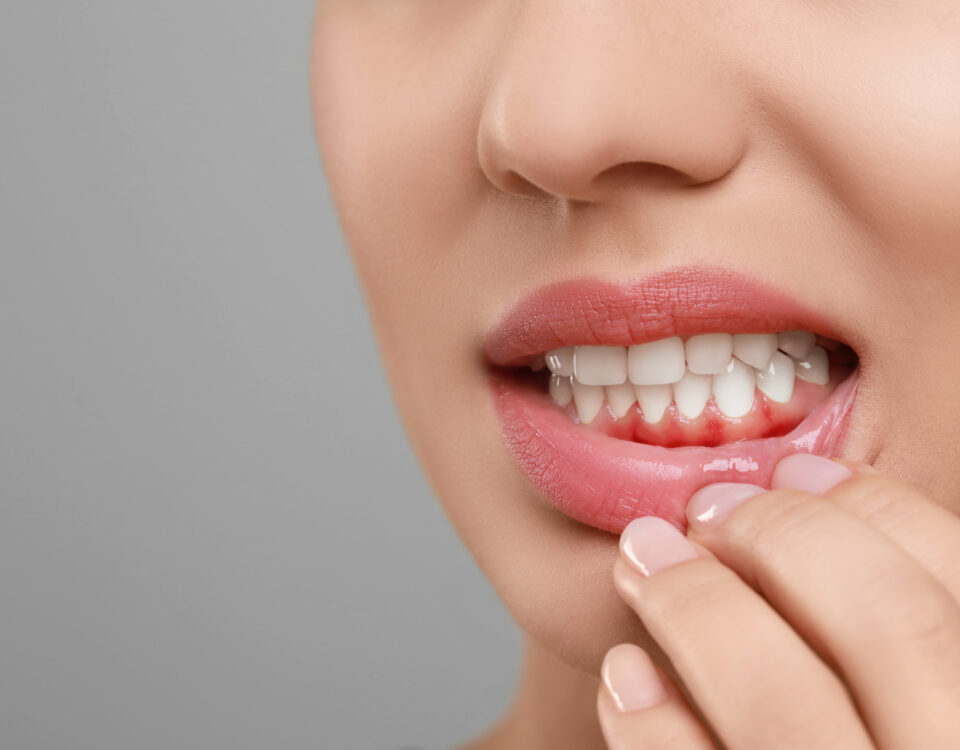
One of the most common signs of a gum health issue is bleeding. While it may seem normal to see a little pink in the sink after brushing or flossing, healthy gums should not bleed regularly.
Bleeding gums are often an early sign of gingivitis, the first stage of gum disease. Gingivitis occurs when plaque and bacteria build up along the gumline, causing inflammation.
Common causes of bleeding gums include:
- plaque buildup
- inconsistent flossing
- brushing too hard
- gum inflammation
- hormonal changes
The good news is that gingivitis is often reversible with professional dental cleanings and improved at-home care.
Red, Swollen, or Tender Gums
Inflamed gums are another sign that your oral health may need attention.
If your gums look red instead of their normal pink shade, feel puffy, or are sore to the touch, this often indicates irritation or infection.
Swollen gums are frequently caused by plaque accumulation, which allows bacteria to irritate the gum tissue. If left untreated, this inflammation can progress into more advanced gum disease.
Receding Gums
Have you noticed that your teeth look longer than they used to?
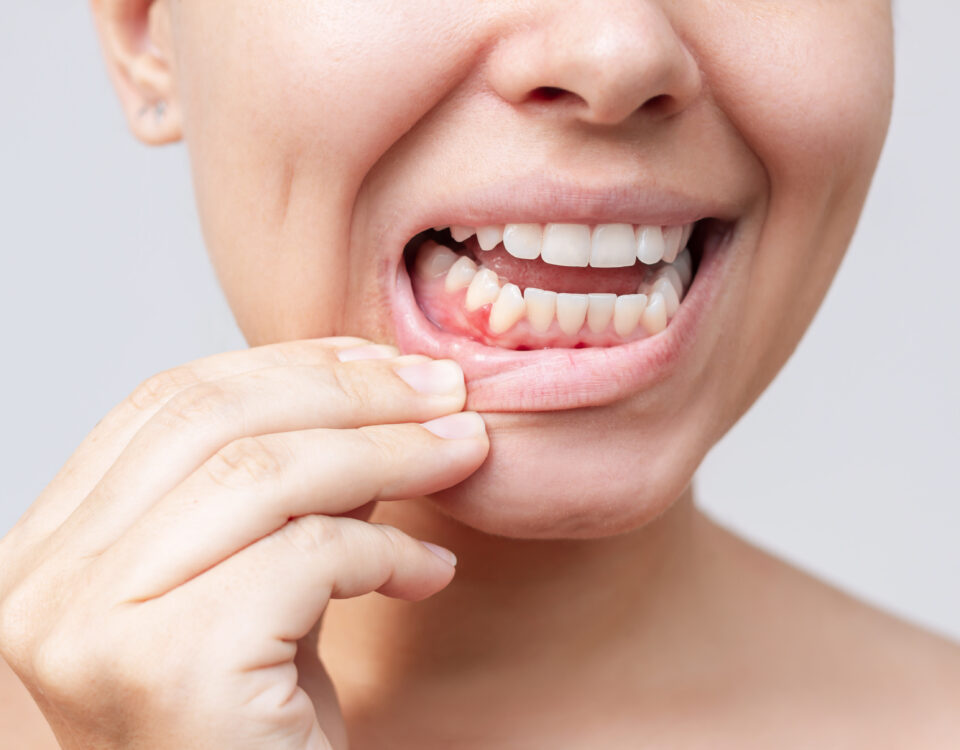
This may be a sign of gum recession. Receding gums occur when the gum tissue begins to pull back from the teeth, exposing more of the tooth surface and sometimes even the roots.
Gum recession can be caused by:
- gum disease
- aggressive brushing
- teeth grinding
- genetics
- tobacco use
Receding gums can lead to increased tooth sensitivity and make teeth more vulnerable to decay and damage.
Persistent Bad Breath
Bad breath that does not improve with brushing, flossing, or mouthwash may be another signal from your gums.
Chronic bad breath is often linked to bacteria trapped below the gumline. These bacteria release odors and may indicate the presence of gum disease or infection.
If persistent bad breath is accompanied by bleeding or swollen gums, it is important to schedule a dental visit.
Gum Sensitivity and Pain
Sore gums can happen for several reasons, including food irritation or minor trauma from brushing, but ongoing pain should not be ignored.
Sensitive or painful gums may indicate:
- inflammation
- infection
- canker sores
- gum recession
- abscesses
A dental exam can help identify the cause and prevent the issue from worsening.
Loose Teeth or Shifting Bite
In more advanced stages of gum disease, the structures that support your teeth can begin to weaken.
If your teeth feel loose or your bite feels different, your gums and the underlying bone may be affected by periodontal disease.
This is one of the more serious signs that should be addressed as soon as possible.
What Causes Gum Problems?
The most common cause of gum issues is plaque buildup.
When plaque is not removed through daily brushing and flossing, it hardens into tartar, which can only be removed during a professional dental cleaning.
Other factors that can affect gum health include:
- smoking or vaping
- hormonal changes
- certain medications
- dry mouth
- diabetes
- poor oral hygiene habits
How to Keep Your Gums Healthy
Healthy gums start with consistent preventive care.
To support gum health:
- brush twice daily with a soft-bristled toothbrush
- floss every day
- use gentle circular motions
- avoid brushing too hard
- stay hydrated
- schedule regular dental cleanings and exams
Routine dental visits help catch early signs of gum disease before they become more serious.
At Mountain Aire Dentistry, we are committed to helping patients protect their smiles with comprehensive preventive care and personalized treatment.
If your gums are showing signs like bleeding, swelling, sensitivity, or recession, it may be time to schedule an exam. Listening to what your gums are telling you can help preserve your oral health for years to come.
Related posts











When you visit our Broomfield dental office, your smile is our top priority. Our Dentists invite you to experience the difference a warm and caring team can provide for you and your family. Enjoy a unique and comfortable dental experience designed to bring a healthier and happier smile back into your life. We invite you to call or visit our Broomfield dental office and discover the exceptional difference we offer to those we serve.