

Why Your Gums Bleed When You Brush

3 Everyday Habits That Are Secretly Hurting Your Teeth
August 8, 2025
How Often Should You Really Replace Your Toothbrush?
August 22, 2025Why Your Gums Bleed When You Brush

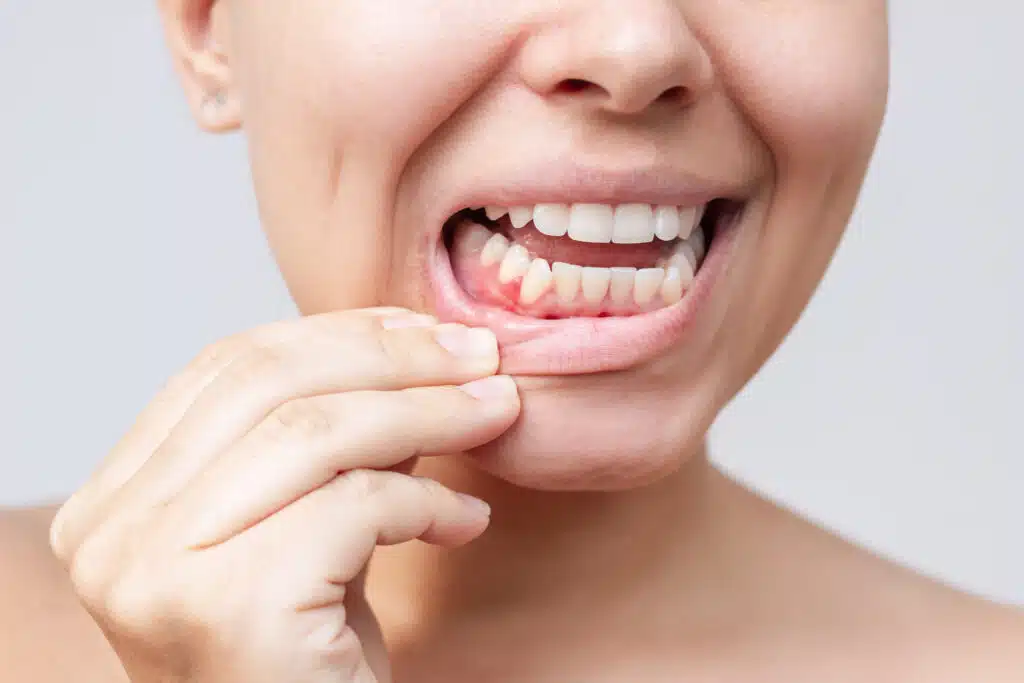
You’re brushing your teeth like always when you notice a bit of pink in the sink—or maybe your gums feel sore and tender afterward. Occasional gum bleeding might not seem like a big deal, but it’s often your body’s way of telling you something’s not quite right.
At Mountain Aire Dentistry in Broomfield, CO, we help patients uncover the real reasons behind bleeding gums and take steps to restore gum health before it turns into a bigger problem.
Here’s why your gums might bleed when you brush—and what you can do about it.
1. Gingivitis: The Most Common Cause
The leading cause of bleeding gums is gingivitis, the earliest stage of gum disease. It develops when plaque—a sticky film of bacteria—builds up along the gumline, causing inflammation.
Symptoms of gingivitis include:
-
Red, swollen gums
-
Tenderness
-
Bleeding during brushing or flossing
-
Bad breath
The good news: Gingivitis is reversible with consistent brushing, flossing, and professional dental cleanings. Ignoring it, however, can allow it to progress to periodontitis—a more serious stage of gum disease that can lead to tooth loss.
2. Brushing or Flossing Too Aggressively
While it’s important to clean your teeth thoroughly, scrubbing too hard with a stiff-bristled toothbrush can damage gum tissue and cause bleeding. The same is true for snapping floss between your teeth instead of gently sliding it.
What to do:
-
Use a soft-bristled toothbrush and gentle, circular motions.
-
Floss carefully, following the curve of each tooth.
-
Let the bristles and floss do the work—no extra force needed.
3. Not Flossing Regularly
If you’ve skipped flossing for a while, your gums may bleed when you start again. This bleeding is usually a sign of mild inflammation from plaque buildup between the teeth.
What to do:
Keep flossing daily, and the bleeding should stop within a week or so as your gums get healthier.
4. Vitamin Deficiencies
Low levels of vitamin C or vitamin K can make gums more prone to bleeding. Vitamin C supports tissue repair, while vitamin K helps with blood clotting.
What to do:
Incorporate more vitamin-rich foods like leafy greens, citrus fruits, berries, and bell peppers into your diet—or talk to your doctor about supplements.
5. Medications
Certain medications, including blood thinners, can increase gum bleeding. While you should never stop taking prescribed medication without your doctor’s advice, it’s important to let your dentist know about any changes in your prescriptions.
6. Pregnancy Gingivitis
Hormonal changes during pregnancy can make gums more sensitive and prone to inflammation. This is known as pregnancy gingivitis, and it’s very common.
What to do:
Stick to a consistent oral hygiene routine and keep up with professional cleanings during pregnancy.
When to See a Dentist
While occasional gum bleeding from aggressive brushing can be fixed at home, persistent bleeding is a sign you should schedule a dental checkup. You should see a dentist if you notice:
-
Bleeding that lasts more than a week despite good oral care
-
Swollen, red, or receding gums
-
Loose teeth
-
Persistent bad breath
How Mountain Aire Dentistry Can Help
We’ll start with a thorough exam to identify the cause of your bleeding gums. Depending on the findings, we may recommend:
-
Professional cleaning to remove plaque and tartar buildup
-
Scaling and root planing for early gum disease
-
Personalized oral hygiene tips to improve your home care routine
-
Nutritional guidance for gum health
Healthy Gums = A Healthy Smile
Bleeding gums shouldn’t be ignored—they’re your body’s way of signaling a problem. The sooner you identify and address the cause, the easier it is to get your gums back to health.
Call or request an appointment online today to schedule your gum health checkup at Mountain Aire Dentistry in Broomfield, CO.
Related posts










When you visit our Broomfield dental office, your smile is our top priority. Our Dentists invite you to experience the difference a warm and caring team can provide for you and your family. Enjoy a unique and comfortable dental experience designed to bring a healthier and happier smile back into your life. We invite you to call or visit our Broomfield dental office and discover the exceptional difference we offer to those we serve.