

Understanding Gum Sensitivity

Quit Smoking for a Healthier Smile: Tips from Mountain Aire Dentistry
January 2, 2025
Freshen Your Breath With These Tips: Expert Advice from Mountain Aire Dentistry
January 16, 2025Understanding Gum Sensitivity

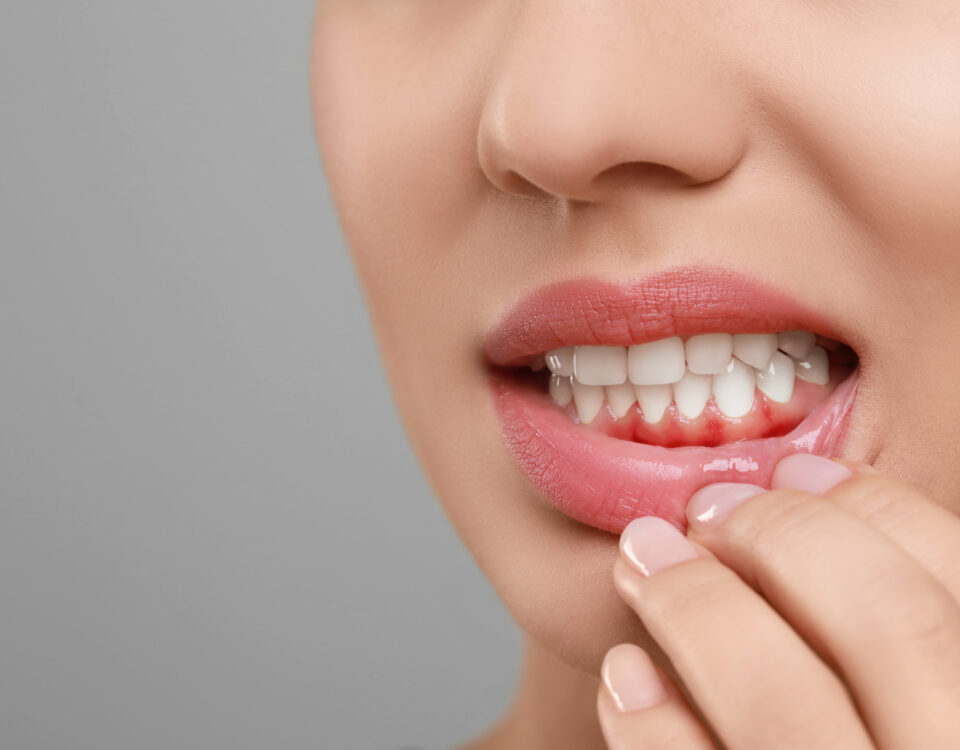
If you’ve ever experienced a sharp, twinging pain in your gums while brushing, flossing, or even eating certain foods, you know how uncomfortable gum sensitivity can be. While occasional gum tenderness is fairly common, persistent gum sensitivity can be a sign that something more serious is happening beneath the surface. At Mountain Aire Dentistry, we believe that understanding the causes of gum sensitivity and how to manage it can help you take better care of your oral health and avoid further complications.
In this blog, we’ll explore what gum sensitivity is, what causes it, how to identify its symptoms, and the steps you can take to manage it.
What is Gum Sensitivity?
Gum sensitivity refers to discomfort, pain, or tenderness in the gums that can occur when brushing, eating, drinking, or even when your gums come in contact with certain objects. The gums play an important role in your oral health as they help protect your teeth and the underlying bone structure. When they become sensitive or inflamed, it can indicate an underlying dental issue that requires attention.
There are a number of reasons your gums might become sensitive. Some causes are temporary and can be managed easily, while others may need professional dental treatment to resolve.
Common Causes of Gum Sensitivity
1. Gingivitis (Early Stage of Gum Disease)
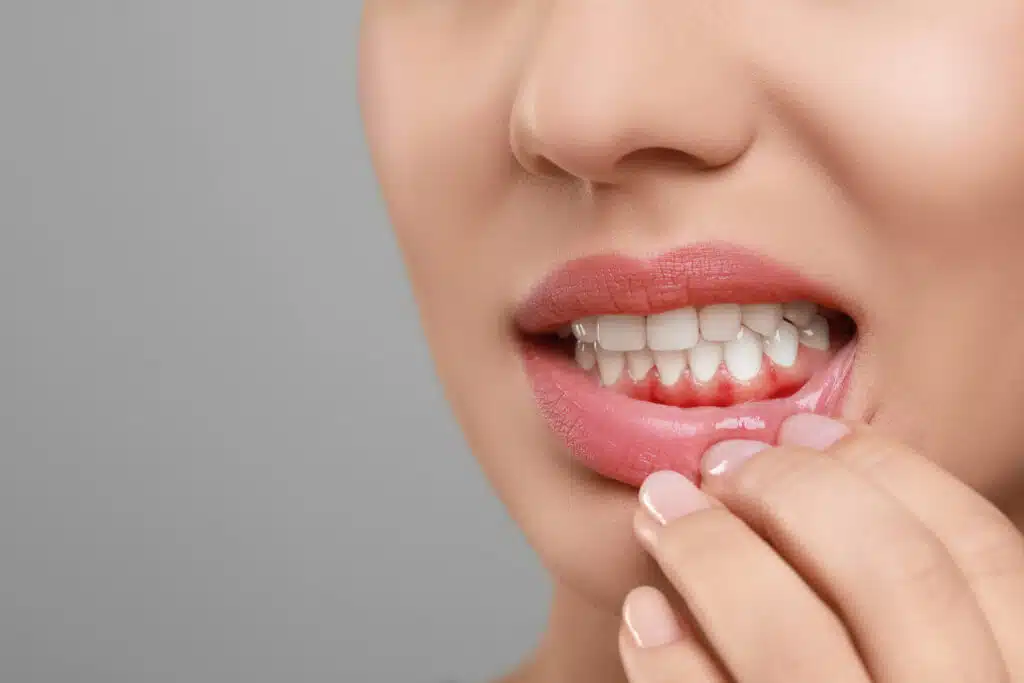
Gingivitis is the inflammation of the gums caused by a buildup of plaque at the gumline. When plaque is not removed through regular brushing and flossing, it can irritate the gums, leading to redness, swelling, and bleeding. Gingivitis is often the primary cause of gum sensitivity, and it is typically the result of poor oral hygiene habits.
- Symptoms of Gingivitis: Red, swollen gums that bleed when brushing or flossing, mild gum discomfort or tenderness.
Treatment: Gingivitis can usually be reversed with a good oral hygiene routine, including daily brushing with fluoride toothpaste, flossing, and regular visits to your dentist.
2. Periodontitis (Advanced Gum Disease)
If gingivitis is left untreated, it can progress to periodontitis, a more serious form of gum disease that can lead to the destruction of the gums and bone surrounding your teeth. Periodontitis can cause significant gum sensitivity, especially when eating or brushing.
- Symptoms of Periodontitis: Persistent bad breath, gum recession, deep pockets between the teeth and gums, and loose teeth.
Treatment: Periodontitis requires professional intervention, which may include scaling and root planing (deep cleaning) or even surgical treatments depending on the severity of the disease.
3. Gum Recession
Gum recession occurs when the gum tissue wears away, exposing the sensitive roots of the teeth. This often results in pain or sensitivity, especially when the roots of your teeth come in contact with hot or cold foods and beverages.
- Symptoms of Gum Recession: Teeth appear longer, exposed tooth roots, sensitivity to hot or cold, visible gaps between the teeth and gums.
Treatment: A visit to your dentist will help determine the cause of the recession and how to prevent further damage. Solutions may include fluoride treatments, gum grafts, or specific oral hygiene practices to protect the gums.
4. Aggressive Brushing
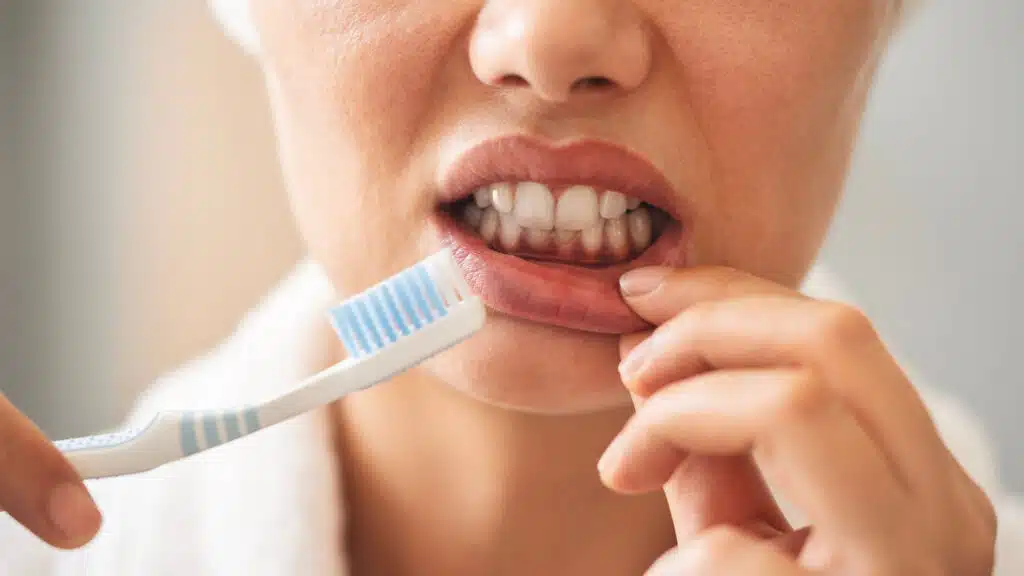
Using a hard-bristled toothbrush or brushing too aggressively can cause gum irritation and recession. Over time, this can lead to gum sensitivity, especially along the gumline.
- Symptoms of Aggressive Brushing: Gum bleeding, gum recession, worn-down enamel, and discomfort while brushing.
Treatment: Switch to a soft-bristled toothbrush and avoid brushing with excessive force. Your dentist or dental hygienist can demonstrate proper brushing techniques to help protect your gums.
5. Dental Procedures
After certain dental procedures, such as teeth cleanings, fillings, or gum treatments, your gums may be temporarily sensitive. This is normal and should subside as the tissues heal.
- Symptoms: Mild gum discomfort or swelling following a dental procedure.
Treatment: Post-procedure gum sensitivity typically resolves on its own after a few days. However, if sensitivity persists or worsens, it’s important to contact your dentist for further evaluation.
6. Changes in Diet or Lifestyle
Consuming acidic or sugary foods can contribute to gum irritation and sensitivity, as they can affect the pH balance in your mouth and irritate the gums. Additionally, smoking and tobacco use can also lead to gum issues and make existing gum sensitivity worse.
- Symptoms of Dietary Sensitivity: Discomfort after consuming citrus, spicy foods, or sugary snacks.
Treatment: Reducing your intake of acidic foods and sugars and quitting smoking can help prevent further irritation and improve gum health.
How to Manage and Prevent Gum Sensitivity
1. Improve Your Oral Hygiene Routine
One of the best ways to manage gum sensitivity is to improve your oral hygiene. Brushing your teeth twice a day with fluoride toothpaste, flossing daily, and using an antimicrobial mouthwash can help remove plaque and bacteria that cause gum irritation.
- Use a soft-bristled toothbrush and avoid brushing too hard.
- Consider using toothpaste designed for sensitive gums or teeth.
- Visit your dentist regularly for professional cleanings to prevent plaque buildup.
2. Use a Toothbrush for Sensitive Teeth
If you have gum sensitivity, it’s important to use a toothbrush that’s gentle on your gums. A soft-bristled toothbrush can help prevent further irritation and minimize damage to your gum tissue. Additionally, using toothpaste specifically designed for sensitive teeth can provide relief and strengthen your enamel.
3. Stay Hydrated
Dry mouth can contribute to gum sensitivity, as saliva helps to neutralize acids and protect your gums. Drink plenty of water throughout the day to keep your mouth hydrated, and consider chewing sugar-free gum if you experience a dry mouth.
4. Get Regular Dental Checkups
Regular dental visits are essential for maintaining healthy gums. During your visits, your dentist will check for signs of gum disease, gum recession, and other oral health issues. Early detection and treatment can prevent further complications and reduce gum sensitivity.
At Mountain Aire Dentistry, we provide comprehensive gum care and treatment options to help you maintain optimal gum health. If you’re experiencing persistent gum sensitivity, it’s important to schedule an appointment with us as soon as possible. Our team can assess your symptoms, identify the underlying cause, and recommend the best treatment to restore your comfort and protect your smile.
Make an Appointment with Mountain Aire Dentistry
Gum sensitivity can be uncomfortable and, in some cases, a sign of a more serious dental issue. However, with the right care and attention, most cases of gum sensitivity can be managed and even reversed. At Mountain Aire Dentistry, we are dedicated to helping you achieve healthy, pain-free gums through personalized care and effective treatments.
If you’re struggling with gum sensitivity, don’t wait—contact Mountain Aire Dentistry today to schedule an appointment and get the care your gums need to feel better and stay healthy for years to come.
Related posts












When you visit our Broomfield dental office, your smile is our top priority. Our Dentists invite you to experience the difference a warm and caring team can provide for you and your family. Enjoy a unique and comfortable dental experience designed to bring a healthier and happier smile back into your life. We invite you to call or visit our Broomfield dental office and discover the exceptional difference we offer to those we serve.