

What Your Gums Are Telling You: Early Signs of Gum Disease

Sedation Dentistry: How We Make Dental Visits Comfortable and Stress-Free
May 19, 2025
How Dental Sealants Benefit Kids
July 10, 2025What Your Gums Are Telling You: Early Signs of Gum Disease

Your gums are more than just the soft tissue that holds your teeth in place—they’re a key indicator of your overall oral health. Many people ignore early warning signs of gum disease, assuming that mild discomfort or slight bleeding isn’t a big deal. However, these small signs could be the first indications that something more serious is happening beneath the surface.
At Mountain Aire Dentistry, we believe in the power of prevention and early detection. In this blog, we’ll walk you through the common signs of gum disease and why it’s important to address them before they become more severe.
What Is Gum Disease?
Gum disease, also known as periodontal disease, is an infection of the tissues that surround and support your teeth. It usually starts with gingivitis, the mildest form of gum disease, and can progress to periodontitis, a more serious condition that can result in tooth loss.
The early stages of gum disease are often painless, which is why many people don’t realize they have it until it becomes more advanced. However, there are subtle signs to look out for, and early intervention can help prevent more severe oral health problems.
Early Signs of Gum Disease You Shouldn’t Ignore
1. Bleeding Gums When Brushing or Flossing
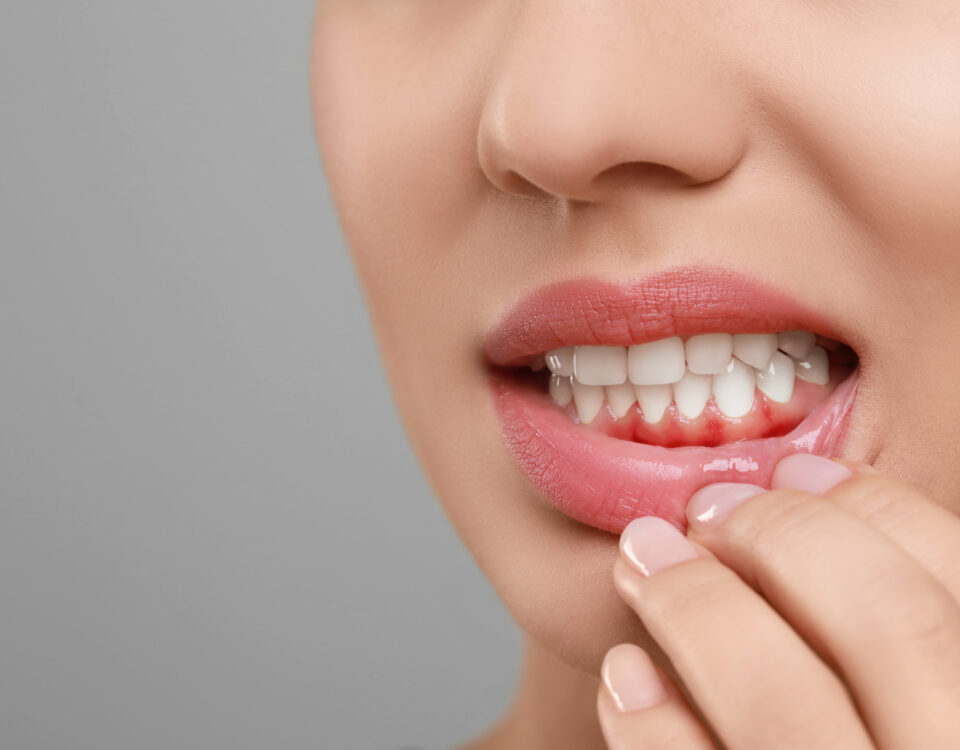
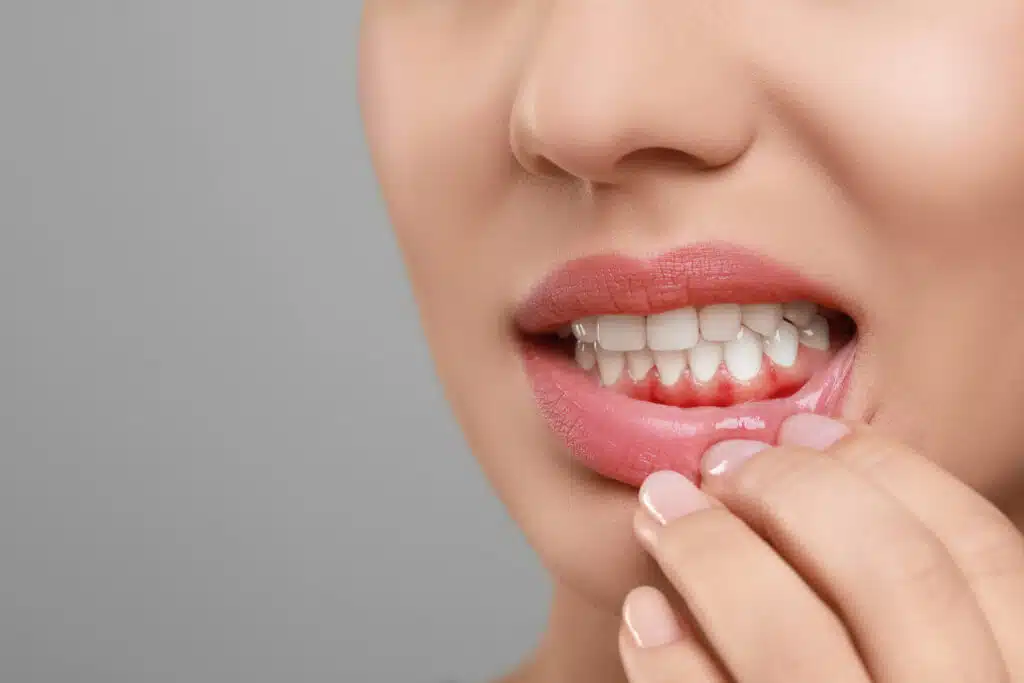
One of the most common early signs of gum disease is bleeding gums. If your gums bleed when you brush or floss your teeth, it could be a sign of gingivitis, which is the first stage of gum disease. Healthy gums should not bleed easily, and if they do, it’s usually a sign of inflammation caused by bacteria in plaque.
2. Red, Swollen, or Puffy Gums
Healthy gums are typically firm and pale pink in color. If your gums are red, swollen, or appear puffy, this is an indication that your gums are inflamed and may be infected. Swelling can also be accompanied by discomfort or tenderness when touched, which can signal an early stage of gum disease.
3. Bad Breath (Halitosis)
Persistent bad breath or halitosis is another common sign of gum disease. If your gums are infected, they can emit a foul odor due to the bacteria that build up in the mouth. The bacteria can produce sulfur compounds, which contribute to the unpleasant smell. If brushing and flossing don’t help alleviate the bad breath, it may be time to consult your dentist.
4. Receding Gums
Receding gums are a sign that your gum tissue is pulling away from your teeth, exposing more of the tooth or even the root. Gum recession can result from untreated gum disease and can lead to tooth sensitivity, making it uncomfortable to eat hot, cold, or sweet foods. Receding gums can also make your teeth appear longer than usual, which is a clear sign that your gum health is at risk.
5. Loose Teeth or Shifting Teeth
If your teeth feel loose or seem to be shifting in your mouth, this could indicate that the bone and tissues that support your teeth are weakening. This usually happens in the later stages of gum disease (periodontitis), where the infection has caused damage to the supporting structures of the teeth. Loose teeth should be addressed immediately to prevent tooth loss.
6. Pain When Chewing
Pain or discomfort when chewing is a red flag for gum disease. As the condition progresses, the gums may begin to recede and expose the tooth roots, leading to pain when you bite down. This is a sign that the gum disease has reached a more advanced stage and requires immediate attention.
Why Gum Disease Is More Serious Than You Think
Gum disease doesn’t just affect your teeth and gums—it can have a serious impact on your overall health. If left untreated, gum disease can lead to:
-
Tooth loss: Severe gum disease can cause teeth to loosen and even fall out.
-
Increased risk of heart disease: Studies have shown a connection between gum disease and cardiovascular disease, including heart attack and stroke.
-
Diabetes complications: Gum disease can make it harder to control blood sugar levels, worsening diabetes.
-
Pregnancy complications: Pregnant women with gum disease may have a higher risk of preterm birth and low birth weight babies.
How to Prevent and Treat Gum Disease
The good news is that gum disease is preventable and treatable, especially when caught in its early stages. Here’s how you can protect your gums:
1. Practice Good Oral Hygiene
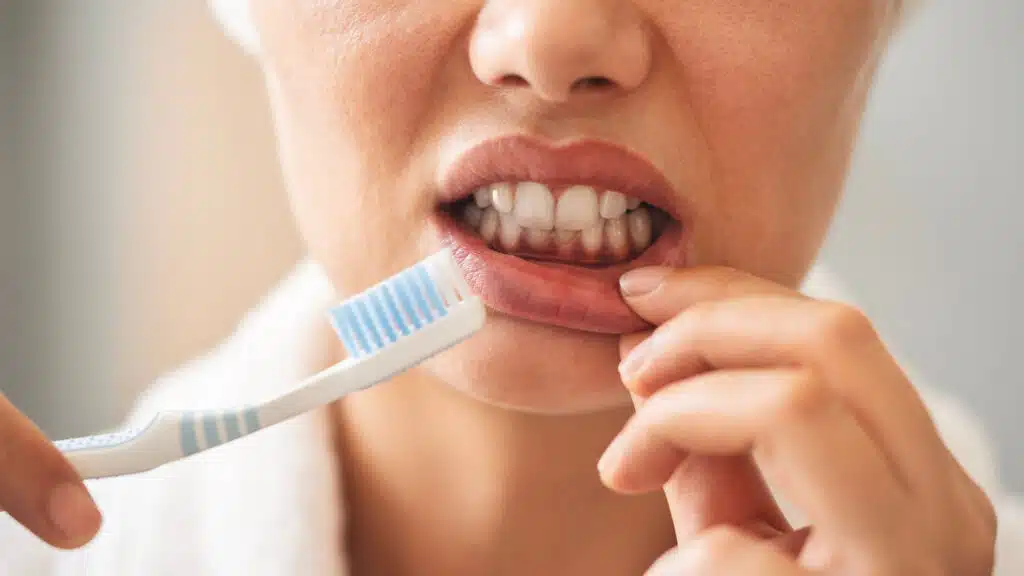
Brushing your teeth twice a day with fluoride toothpaste and flossing once a day are essential habits to remove plaque and prevent gum disease. Be sure to brush along the gum line to remove bacteria that can cause gum inflammation.
2. Regular Dental Checkups and Cleanings
Professional cleanings by your dentist or hygienist are necessary to remove plaque and tartar that can’t be removed by brushing and flossing alone. Routine dental checkups allow your dentist to catch signs of gum disease early and provide treatment before it progresses.
3. Eat a Balanced Diet
A healthy diet rich in vitamins and minerals, especially vitamin C, can support your gum health. Avoid sugary foods and drinks, as they can contribute to plaque buildup and gum disease.
4. Stop Smoking
Smoking is a major risk factor for gum disease, as it weakens your immune system and makes it harder for your gums to heal. Quitting smoking can significantly reduce your risk of gum disease and improve your oral health.
5. Ask About Gum Disease Treatments
If you’re showing signs of gum disease, it’s important to seek professional treatment. Treatments range from non-surgical options like scaling and root planing to more advanced procedures like gum grafts or laser therapy, depending on the severity of the disease.
Don’t Ignore the Signs—Visit Mountain Aire Dentistry
At Mountain Aire Dentistry, we understand the importance of early detection and prevention when it comes to gum disease. If you’re experiencing any of the early signs of gum disease, don’t wait—schedule an appointment with us today. Our team will provide a thorough examination, create a personalized treatment plan, and help you restore your gum health for a brighter, healthier smile.
Related posts










When you visit our Broomfield dental office, your smile is our top priority. Our Dentists invite you to experience the difference a warm and caring team can provide for you and your family. Enjoy a unique and comfortable dental experience designed to bring a healthier and happier smile back into your life. We invite you to call or visit our Broomfield dental office and discover the exceptional difference we offer to those we serve.