

Tips for Thanksgiving Dental Emergencies

Treat Tooth Decay with Mountain Aire Dentistry
November 15, 2024
How to Savor the Holidays Without Sensitive Teeth
December 5, 2024Tips for Thanksgiving Dental Emergencies

Thanksgiving is a time for family gatherings, delicious meals, and celebrating all the things we’re grateful for. However, in the midst of enjoying a holiday feast, dental emergencies can sometimes strike unexpectedly, whether it’s a cracked tooth from a hard bite or a sudden toothache that ruins your plans. At Mountain Aire Dentistry, we understand that dental problems don’t take holidays, and we want to help you stay prepared for any dental emergency that might arise this Thanksgiving.
While we hope you never need it, here’s what you need to know about handling Thanksgiving dental emergencies, plus some tips on preventing them, so you can enjoy the holiday with peace of mind and a healthy smile.
1. Common Thanksgiving Dental Emergencies
During Thanksgiving dinner, some foods may be more likely to cause dental injuries. While your holiday feast should be a joyous occasion, it’s important to be aware of potential hazards that could lead to dental emergencies.
Here are some of the most common dental issues that can arise:
- Cracked or Broken Teeth: Hard foods like nuts, candy, or even turkey bones can cause teeth to crack or break if you bite down too hard.
- Lost or Loose Fillings: Chewy foods like caramel or pie can dislodge fillings, crowns, or other dental work, leaving you in discomfort or at risk for further tooth damage.
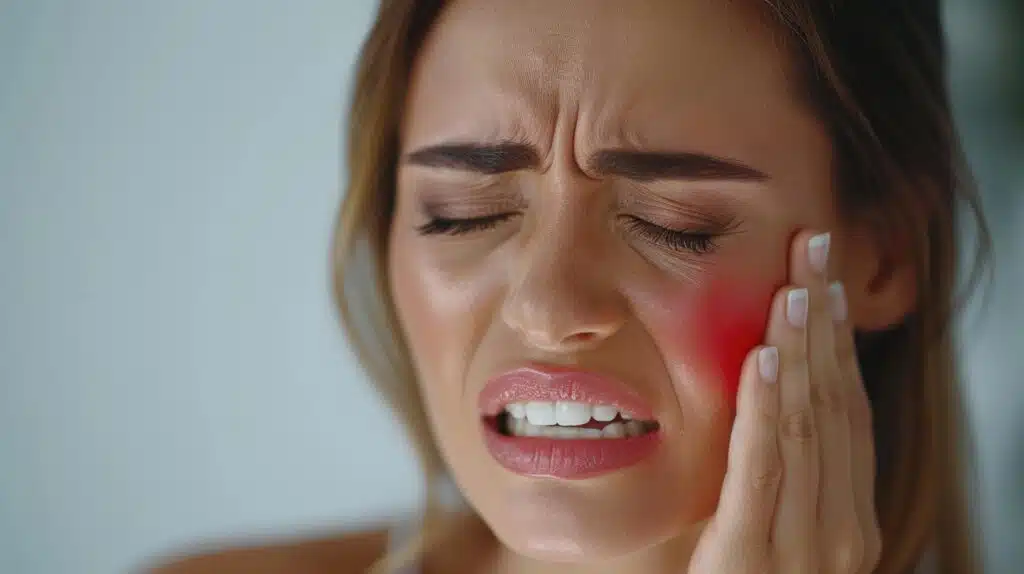
- Toothaches: A sudden toothache, whether due to decay, a cracked tooth, or gum issues, can be exacerbated by the temperature of hot or cold foods and drinks.
- Chipped Teeth: Biting into something too hard, such as a popcorn kernel or ice, can cause chips or fractures in your teeth.
- Dislodged or Knocked-Out Teeth: Accidents or trauma, such as falling or a sudden bump during a family football game, can lead to dislodged or knocked-out teeth, which require immediate attention.
2. How to Handle a Dental Emergency
If a dental emergency occurs during the Thanksgiving festivities, staying calm and taking the right steps can make a big difference in how quickly the issue is resolved and how much damage is done.
Here’s what to do for the most common dental emergencies:
Cracked or Broken Teeth
- Stay Calm: If you crack or break a tooth, stay calm and assess the damage. If you’re in pain, use a cold compress on the outside of your cheek to reduce swelling and numb the area.
- Save the Pieces: If you can find any pieces of the broken tooth, store them in a container with milk or saltwater. This will help preserve the tooth for possible reattachment.
- Pain Relief: If you’re in pain, over-the-counter pain relievers like ibuprofen or acetaminophen can help manage the discomfort. Avoid applying aspirin directly to the tooth or gums, as it can burn the tissue.
- Visit a Dentist: Contact Mountain Aire Dentistry as soon as possible to schedule an appointment. We may be able to reattach the broken piece or repair the damage with a filling or crown.
Lost or Loose Fillings
- Temporary Fix: If you lose a filling or it becomes loose, you can temporarily cover the area with dental cement (available at most pharmacies) to protect it until you can see a dentist. Alternatively, a piece of sugar-free gum can act as a temporary filling.
- Avoid Further Damage: Don’t chew on that side of your mouth and avoid sticky or hard foods to prevent irritating the exposed area.
- Visit a Dentist: Call Mountain Aire Dentistry to schedule an appointment for a permanent fix. The sooner you get the filling replaced, the less likely it is that the tooth will suffer additional damage.
Toothaches
- Identify the Cause: Toothaches can be caused by a number of factors, including cavities, gum infection, or trauma. If your tooth is sensitive to hot or cold foods, it may be a sign of a cavity or other dental issue.
- Pain Relief: Rinse your mouth with warm saltwater to reduce swelling and clean the affected area. Apply a cold compress to the outside of your cheek to numb the pain. Over-the-counter pain relievers can also help manage discomfort until you can see a dentist.
- Visit a Dentist: Toothaches that don’t subside with home remedies or over-the-counter treatments should be checked by a dentist. Mountain Aire Dentistry can diagnose the underlying cause of the toothache and provide appropriate treatment, such as a filling, root canal, or gum therapy.
Chipped Teeth
- Stay Calm: A chipped tooth may or may not be painful, depending on the size of the chip. If there is no pain, simply rinse your mouth with warm water to clean the area.
- Cover the Sharp Edges: If the chip creates a sharp or jagged edge, cover it with a piece of wax or sugar-free gum to prevent injury to your tongue or cheek.
- Visit a Dentist: Even if the chip is minor, it’s still important to have it checked by a dentist to prevent the damage from worsening. Mountain Aire Dentistry can repair the chip with dental bonding or a veneer.
Knocked-Out Tooth (Avulsed Tooth)
- Act Quickly: If you’ve knocked out a tooth, time is critical. The sooner you act, the better the chances of saving the tooth. Pick up the tooth by the crown (not the root) and rinse it gently with water if dirty.
- Store the Tooth: Place the tooth back into the socket if possible, and hold it in place by biting down on a clean cloth or gauze. If this isn’t possible, store the tooth in a container of milk, or gently place it between your cheek and gum (if you’re able to do so comfortably) to keep it moist.
- Visit a Dentist Immediately: Call Mountain Aire Dentistry immediately to schedule an emergency appointment. If treated within an hour, a knocked-out tooth has the best chance of being successfully re-implanted.
3. Preventing Dental Emergencies This Thanksgiving
While it’s impossible to predict every potential accident, there are steps you can take to minimize the risk of a dental emergency during your Thanksgiving festivities:
- Avoid Hard and Sticky Foods: Be cautious when eating hard foods like nuts or toffee, and avoid biting into turkey bones. Stick to softer foods like mashed potatoes, casseroles, and cooked vegetables to reduce the risk of tooth damage.
- Use Caution with Candy: Many holiday candies are sticky and chewy, which can dislodge fillings or pull on dental work. Try to limit your intake or enjoy these treats in moderation.
- Wear a Mouthguard for Sports: If you plan on playing football or other contact sports after dinner, wear a mouthguard to protect your teeth from injury.
- Practice Good Oral Hygiene: Keep up with your daily brushing and flossing routine, even during the holidays. If you’re traveling, make sure you have a toothbrush and toothpaste with you so you can brush after meals.
4. Know When to Contact a Dentist
If a dental emergency arises during Thanksgiving, don’t hesitate to contact Mountain Aire Dentistry. Even though we may have limited hours during the holiday, we can provide emergency care or refer you to an emergency dental clinic if necessary.
If you experience severe pain, swelling, or have a knocked-out tooth, seek immediate care—delaying treatment can make the problem worse.
Conclusion: Stay Prepared for Thanksgiving Dental Emergencies
Thanksgiving is a time to relax and enjoy good food with loved ones, but dental emergencies can turn a joyful holiday into a stressful one. By being aware of the common dental emergencies that can occur and knowing how to respond, you can ensure that any unexpected dental issues are handled quickly and effectively.
If you experience a dental emergency during Thanksgiving, remember to stay calm, seek pain relief, and contact Mountain Aire Dentistry for guidance. We’re here to help you keep your smile healthy and your holidays happy.
Happy Thanksgiving from all of us at Mountain Aire Dentistry—we wish you a safe, healthy, and pain-free holiday season!
Related posts












When you visit our Broomfield dental office, your smile is our top priority. Our Dentists invite you to experience the difference a warm and caring team can provide for you and your family. Enjoy a unique and comfortable dental experience designed to bring a healthier and happier smile back into your life. We invite you to call or visit our Broomfield dental office and discover the exceptional difference we offer to those we serve.