

Preventing Baby Bottle Tooth Decay

Freshen Your Breath With These Tips: Expert Advice from Mountain Aire Dentistry
January 16, 2025
The Importance of Regular Dental Checkups for Long-Term Health
February 6, 2025Preventing Baby Bottle Tooth Decay

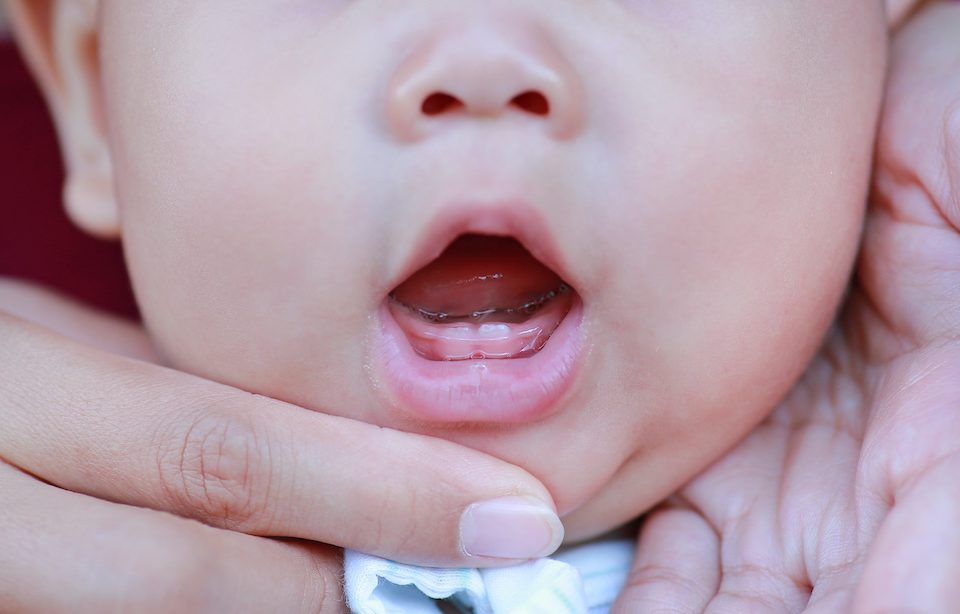
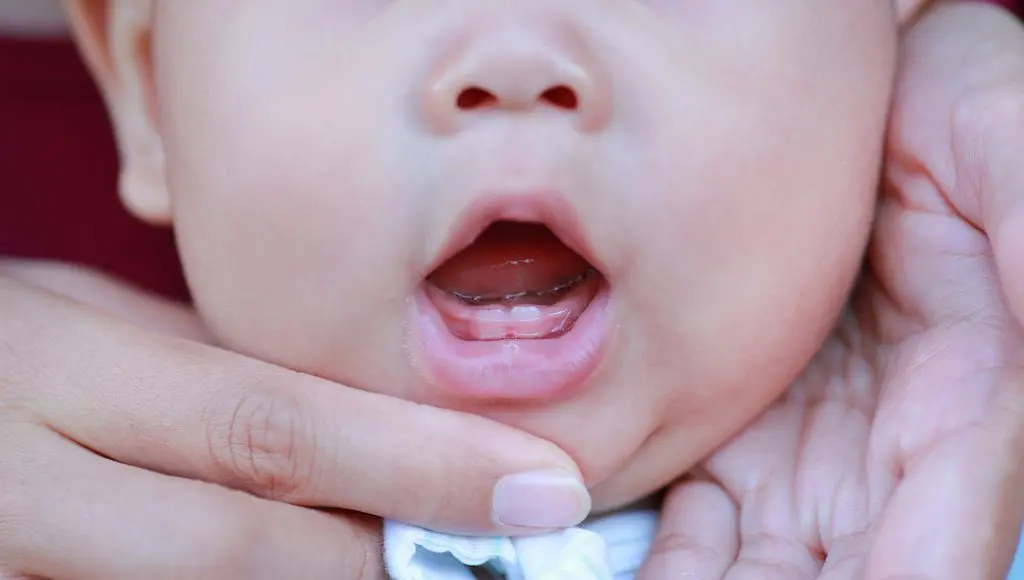
As a parent, you want to give your baby the best start in life, and that includes taking care of their oral health. Baby bottle tooth decay (BBTD) is a common but preventable issue that can affect infants and toddlers, often leading to painful cavities and dental problems. At Mountain Aire Dentistry, we want to help you understand what BBTD is, what causes it, and, most importantly, how to prevent it to ensure your little one’s smile stays healthy from the start.
What is Baby Bottle Tooth Decay?
Baby bottle tooth decay is a condition in which a child’s teeth develop cavities due to prolonged exposure to sugary liquids, typically from a bottle. This condition often affects the upper front teeth, but it can impact other teeth as well. When babies fall asleep while sucking on a bottle filled with milk, formula, juice, or sugary liquids, the sugars sit on their teeth for an extended period, creating an environment for harmful bacteria to thrive. Over time, this can lead to tooth decay, which can cause discomfort and more severe dental problems if left untreated.
What Causes Baby Bottle Tooth Decay?
The main cause of BBTD is the frequent or prolonged exposure of your baby’s teeth to sugary liquids. Some common causes include:
- Falling Asleep with a Bottle: When babies fall asleep while drinking from a bottle, the liquid stays in their mouth for hours, feeding bacteria that cause decay.
- Juice and Sugary Drinks: Offering juice or sugary drinks in bottles can increase the risk of BBTD, as the sugar can coat the teeth and fuel bacteria growth.
- Using a Bottle as a Soothing Mechanism: Some parents use bottles as comfort objects to help babies fall asleep or calm down, but this practice can lead to prolonged exposure to sugary liquids.
- Breastfeeding: While breast milk is natural and nutritious, frequent night feedings, especially if a baby falls asleep while nursing, can contribute to decay if proper oral hygiene isn’t practiced.
How to Prevent Baby Bottle Tooth Decay
Fortunately, baby bottle tooth decay is preventable with the right habits. Here are some tips to help protect your baby’s teeth:
- Don’t Put Baby to Bed with a Bottle: One of the most effective ways to prevent BBTD is to avoid putting your baby to bed with a bottle of milk, formula, juice, or any sugary liquid. If your baby needs a bottle to fall asleep, make sure it contains only water.
- Start Cleaning Your Baby’s Gums Early: Even before your baby’s first teeth appear, it’s important to begin cleaning their gums. After feedings, use a soft, damp cloth to gently wipe their gums to remove any leftover milk or formula.
- Introduce a Cup Early: As your baby grows, transition them from a bottle to a sippy cup or regular cup around their first birthday. This helps minimize the constant exposure of sugary liquids to their teeth.
- Avoid Sugary Drinks: Limit sugary beverages like juice, and never allow your baby to drink them from a bottle. If you do offer juice, ensure it’s diluted with water and served in a cup, not a bottle.
- Practice Good Oral Hygiene as Teeth Erupt: Once your baby’s first teeth come in, begin brushing their teeth with a small, soft-bristled toothbrush and a grain-sized amount of fluoride toothpaste. Make brushing a routine, brushing twice a day.
- Visit the Dentist Early: It’s recommended that your baby have their first dental visit by their first birthday. Early dental checkups help identify any potential issues and provide guidance on how to care for your baby’s teeth.
- Use the Right Kind of Bottle: If your baby still uses a bottle, opt for bottles designed to minimize the flow of liquid. This can reduce the amount of liquid that stays in their mouth for prolonged periods.
What to Do If Baby Bottle Tooth Decay Occurs
If you suspect your child may have baby bottle tooth decay, it’s essential to consult your dentist as soon as possible. Early treatment can help prevent further damage and ensure your child’s teeth remain healthy. In some cases, cavities may require fillings or other dental treatments to restore your child’s teeth.
At Mountain Aire Dentistry, we believe in early intervention and preventive care. If you notice any signs of tooth decay, such as visible white spots, brown stains, or a change in your child’s behavior due to discomfort, schedule a dental appointment right away. We’re here to help keep your child’s smile bright and healthy.
Make an Appointment with Mountain Aire Dentistry
Baby bottle tooth decay is preventable with a little attention to your child’s oral care habits. By avoiding putting your baby to bed with a bottle, practicing good hygiene, and introducing a cup early, you can protect your baby’s teeth from cavities and decay. Early dental visits also play a key role in ensuring your child’s oral health remains on track. At Mountain Aire Dentistry, we’re here to support you and your baby’s dental health every step of the way. If you have any concerns or need guidance on your baby’s oral care, don’t hesitate to reach out to our office today!
Related posts













When you visit our Broomfield dental office, your smile is our top priority. Our Dentists invite you to experience the difference a warm and caring team can provide for you and your family. Enjoy a unique and comfortable dental experience designed to bring a healthier and happier smile back into your life. We invite you to call or visit our Broomfield dental office and discover the exceptional difference we offer to those we serve.