

Fixing a Cracked Tooth: Expert Tips from Mountain Aire Dentistry

Surprising Truths About Tonsil Stones and Dental Health
June 20, 2024
Can Dental Crowns and Bridges Help You?
July 5, 2024Fixing a Cracked Tooth: Expert Tips from Mountain Aire Dentistry

Imagine biting into something hard and suddenly feeling a sharp pain in your tooth. You check in the mirror and see a crack. What do you do next? A cracked tooth can be alarming, but knowing the steps to take can make all the difference. This blog post offers expert advice from Mountain Aire Dentistry on how to handle a cracked tooth. We’ll cover everything from identifying symptoms to the best treatment options available. By the end, you’ll be well-equipped to deal with this dental emergency, ensuring minimal pain and a quick recovery.
Understanding Cracked Teeth
What Causes a Cracked Tooth?
Cracking a tooth can happen for various reasons. Common causes include biting down on hard objects, grinding your teeth at night, or even experiencing a traumatic injury to the mouth. Age can also be a factor; as we get older, our teeth can become more brittle and susceptible to cracks.
Symptoms to Watch Out For
Identifying a cracked tooth early can prevent further damage. Some common symptoms include sharp pain when biting, sensitivity to hot or cold temperatures, and swelling around the affected tooth. If you notice any of these signs, it’s crucial to seek dental care immediately.
Types of Cracks
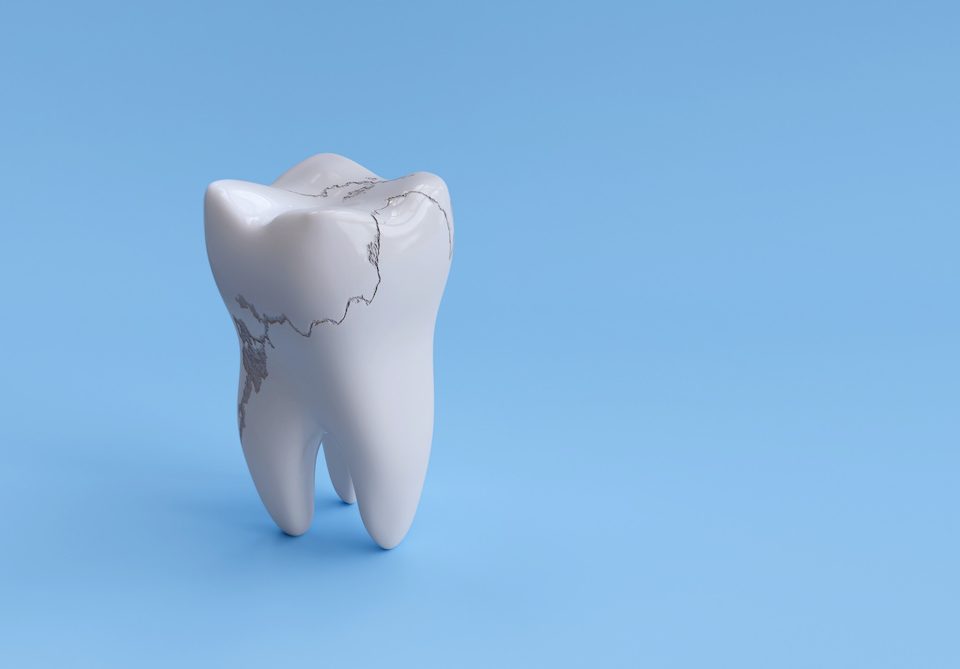
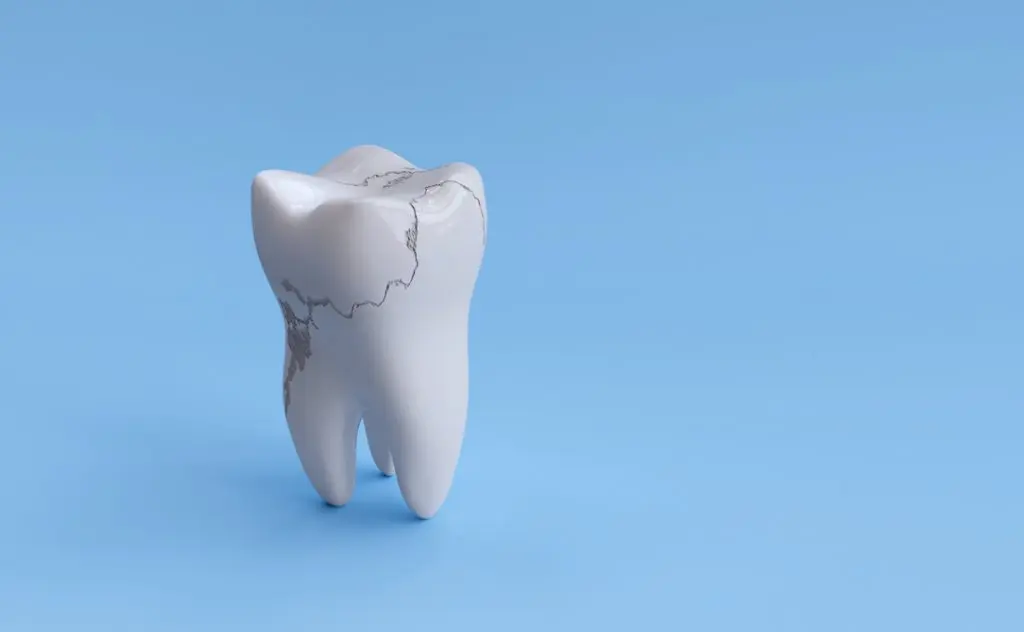
Not all cracks are the same. There are different types of tooth cracks, each requiring specific treatment. Hairline cracks, for instance, are minor and often painless, whereas a split tooth involves a deep crack that affects the tooth root. Understanding the type of crack you’ve sustained can help guide the treatment process.
Immediate Steps to Take
Rinse Your Mouth
The first thing you should do after cracking a tooth is rinse your mouth with warm water. This helps remove any debris and reduces the risk of infection. You can also use saltwater for its antibacterial properties.
Apply a Cold Compress
If you’re experiencing swelling, apply a cold compress to the outside of your cheek. This can help reduce swelling and numb the area, providing temporary relief from discomfort.
Avoid Using the Affected Tooth
Try not to bite or chew with the cracked tooth. Using it can worsen the crack and lead to more severe damage. Stick to soft foods and chew on the opposite side of your mouth until you can see a dentist.
Seeking Professional Help
Schedule an Emergency Appointment
Don’t delay in contacting your dentist. An emergency appointment is crucial for assessing the extent of the damage and determining the appropriate treatment. The sooner you get professional help, the better your chances of saving the tooth.
What to Expect During the Visit
During your emergency dental visit, the dentist will perform a thorough examination, possibly including X-rays, to assess the severity of the crack. Based on the findings, they’ll recommend the best course of action, which may range from a simple filling to more complex procedures like a root canal or crown.
Temporary Solutions
In some cases, your dentist might provide temporary solutions to protect the tooth until a permanent treatment can be administered. These can include temporary fillings or tooth splints to hold the crack together.
Treatment Options
Dental Bonding
For minor cracks, dental bonding is a quick and effective solution. This involves applying a tooth-colored resin to the crack, which is then hardened with a special light. The result is a restored tooth that looks and functions like new.
Dental Crowns
For more severe cracks, a dental crown might be necessary. This involves placing a cap over the affected tooth, providing both protection and stability. Crowns are typically made from porcelain or metal and can last for many years with proper care.
Root Canal Treatment
If the crack has reached the tooth’s pulp, a root canal might be required. This procedure involves removing the damaged pulp, cleaning the tooth’s interior, and sealing it to prevent further infection. While it sounds daunting, root canals are a common and highly effective treatment.
Prevention Tips
Use a Mouthguard
If you grind your teeth at night, consider using a mouthguard. This can protect your teeth from unnecessary wear and tear, reducing the risk of cracks.
Avoid Hard Foods
Be mindful of the foods you eat. Avoid biting down on hard objects like ice, popcorn kernels, and hard candies, which can easily cause your teeth to crack.
Regular Dental Check-ups
Regular dental visits are essential for maintaining good oral health. During these appointments, your dentist can identify early signs of potential issues, including hairline cracks, and provide preventative treatments.
Living with a Cracked Tooth
Managing Pain
If you’re waiting for a dental appointment, there are ways to manage the pain. Over-the-counter pain relievers like ibuprofen can help reduce discomfort. Avoid using aspirin, as it can thin your blood and potentially worsen any bleeding.
Soft Food Diet
Stick to a soft food diet to avoid putting pressure on the cracked tooth. Foods like yogurt, mashed potatoes, and smoothies are excellent choices. This minimizes the risk of further damage and helps keep you comfortable.
Maintain Oral Hygiene
Continue to practice good oral hygiene, even if you’re dealing with a cracked tooth. Brush and floss gently around the affected area to keep it clean and reduce the risk of infection.
Make an Appointment with Mountain Aire Dentistry
Dealing with a cracked tooth can be stressful, but knowing what steps to take can make the process much smoother. From immediate actions to professional treatments, being informed is your best defense. Remember, quick action and professional care are crucial for minimizing damage and ensuring a swift recovery.
If you suspect you’ve cracked a tooth, don’t wait. Contact Mountain Aire Dentistry today for expert advice and treatment options tailored to your needs. Your smile is worth it.
Related posts









When you visit our Broomfield dental office, your smile is our top priority. Our Dentists invite you to experience the difference a warm and caring team can provide for you and your family. Enjoy a unique and comfortable dental experience designed to bring a healthier and happier smile back into your life. We invite you to call or visit our Broomfield dental office and discover the exceptional difference we offer to those we serve.