

What to Do with a Chipped Tooth Injury
Tips for Preventing Tooth Decay
December 5, 2017A Disaster Plan for Your Oral Health
December 7, 2017What to Do with a Chipped Tooth Injury
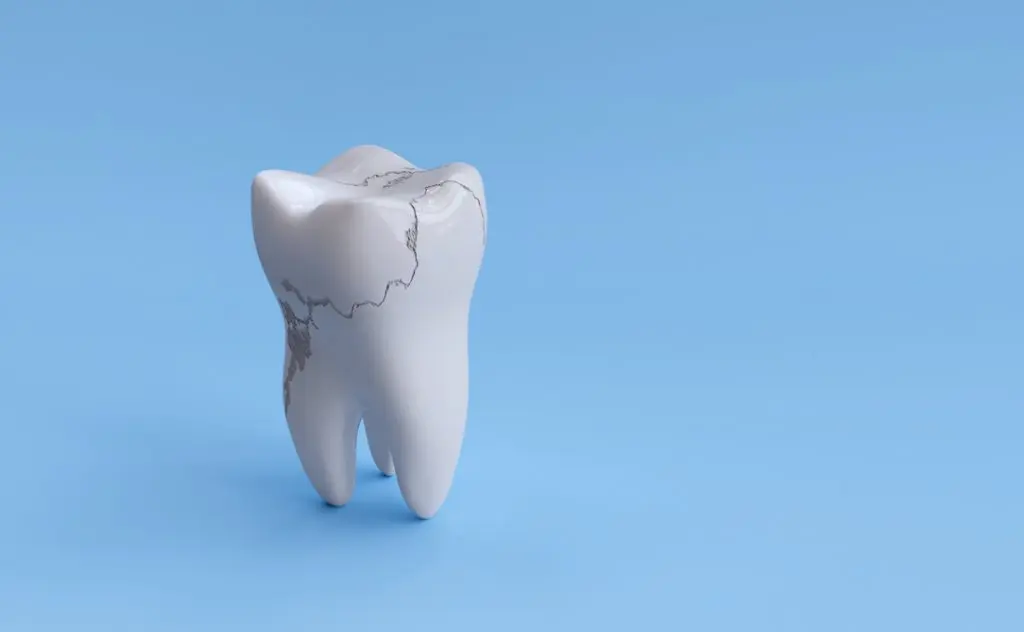
Do you know what to do with a chipped tooth injury? A chipped tooth is the most common mouth injury. While injuries to the mouth may not be life threatening, depending on their severity, they can warrant a visit to the emergency department. The American College of Emergency Physicians offers advice on how to care for dental emergencies ranging from a broken jaw to a toothache. Knowing what steps to take during a dental emergency or accident can help you stay level-headed and calm so you can treat the injury appropriately and guard your long-term health.
What Are the Different Types of Broken Teeth Injuries?
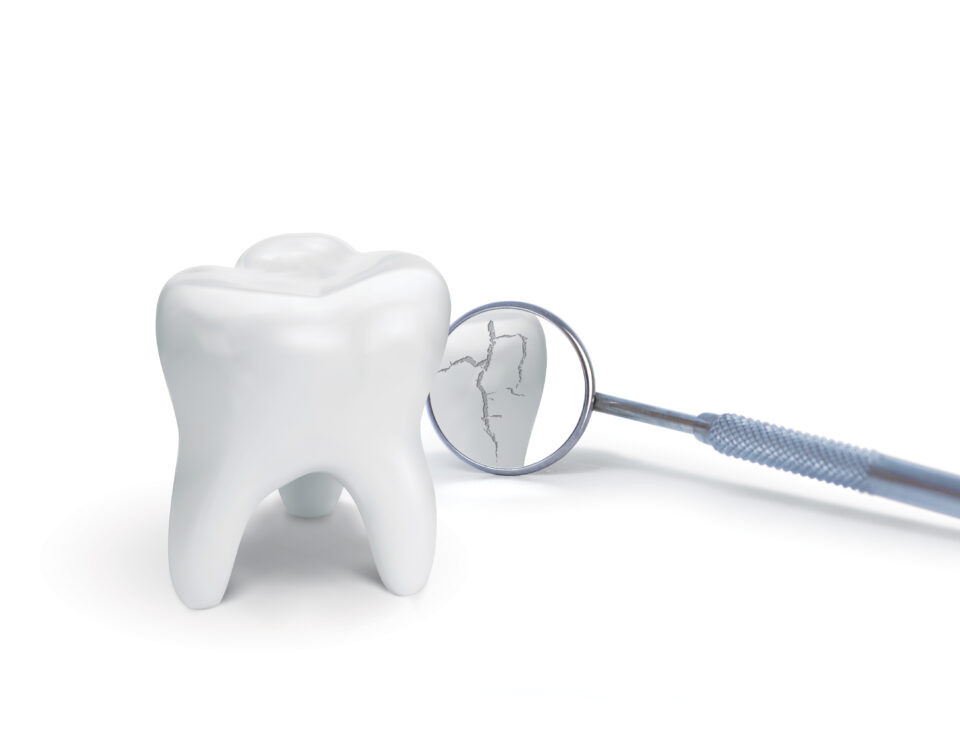
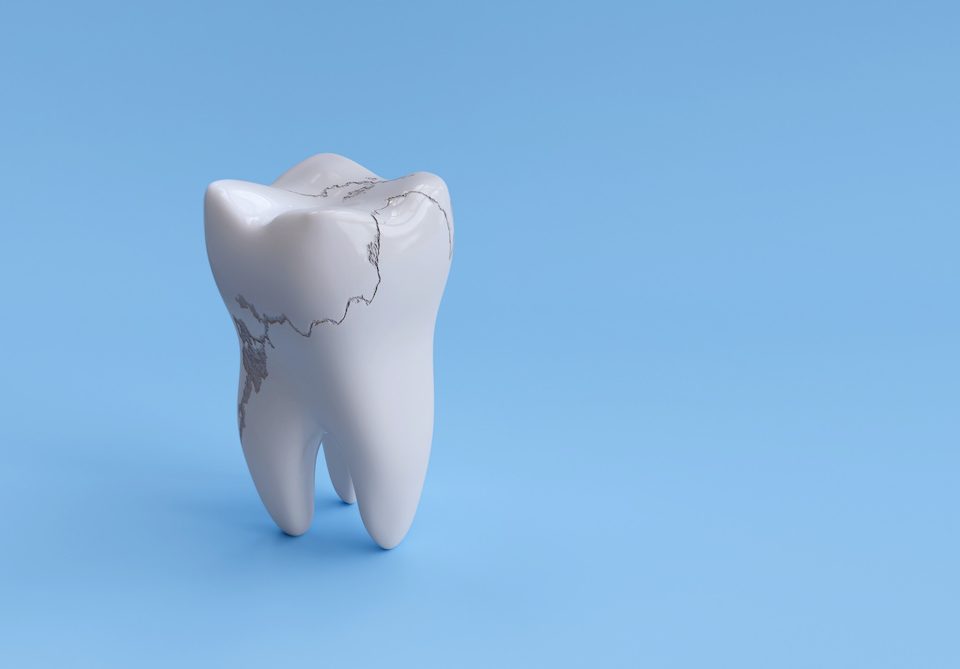
Understanding what kind of broken tooth injury you have is the first step to identifying what treatment protocol you should follow. When you chip or break a tooth, the severity of the injury is classified in one of several categories:
- Craze Line Break. Minor cracks that only affect your tooth enamel. Most of these cracks can be corrected with polishing and don’t require restorative work.
- Chipped Tooth. Treatment for a chipped tooth depends on the size of the chip. Small chips can be polished and smoothed. Larger chips may need to be filled with a tooth-colored resin so it is not visible to the naked eye. Chipped teeth that are causing you pain or sensitivity to hot/cold usually indicate that a nerve has been exposed or affected and will need immediate treatment.
- Cusp Break. The cusp of your tooth is the pointed surface you use to chew your food. Cusp breaks need immediate treatment so that they don’t worsen and affect the root of the tooth.
- Severe Break. This type of break will expose the nerve of the tooth–a very painful type of dental injury. These injuries usually require a root canal treatment and dental crown.
- Vertical Split. A tooth that has split vertically into two segments is called a vertical split break and normally requires root canal treatment to fix with a porcelain crown. If at least one root is not saved, you will have to have the tooth extracted.
- Split Root (vertical break). This is one of the most painful kinds of fractures, starting in the tooth root and stretching upward to the chewing surface.
If you feel your tooth injury falls into the chipped tooth category, the following is suggested.
Call Your Dentist
First, and foremost, you should call Dr. Bockrath at Mountain Aire Dentistry when the chipped tooth injury occurs. By sharing what has occurred, and what symptoms are being experienced, he can help give you the treatment options that you need. Sometimes surrounding teeth can be affected by a chipped tooth injury so Dr. Bockrath will want to examine you at your earliest opportunity to prevent any future problems with the health of your teeth. Neglecting to seek treatment for a chipped tooth can allow decay to fester in the break and weaken the tooth structure or cause infection.
Steps to Take After a Chipped Tooth
When a tooth has been chipped, rinse your mouth with warm water. If there is any bleeding present, press a piece of gauze to the area and apply pressure. If you can’t see Dr. Bockrath or a dental professional the same day you chipped your tooth, cover the chipped tooth with dental cement (available at most drugstores) to protect the remaining tooth until your appointment. Recover any broken tooth fragments that you can, then seek treatment as soon as you can.
Avoid Chipped Tooth Injuries
The best way to avoid chipping your teeth is by taking preventive measures that will decrease the likelihood of them occurring. The American Dental Association offers the following tips to help you avoid injury: 1) wear a mouthguard when participating in sports or recreational activities. (Most chipped tooth injuries occur during these sporting/recreational activities); 2) Avoid chewing ice, popcorn kernels and hard candy–all of which can crack a tooth; and 3) Don’t open things with your teeth. Use scissors.
Call for An Appointment
If you are experiencing a dental emergency, call our office at (303) 731-7755. We will get you in as soon as possible. Dr. Bockrath is highly skilled and trained to provide a variety of dental services. Our office is equipped with state-of-the-art technology to ensure you receive the best possible care. We are located in Broomfield, CO with convenient access to the communities of Thornton, Broomfield, Northglenn and Westminster.
Related posts










When you visit our Broomfield dental office, your smile is our top priority. Our Dentists invite you to experience the difference a warm and caring team can provide for you and your family. Enjoy a unique and comfortable dental experience designed to bring a healthier and happier smile back into your life. We invite you to call or visit our Broomfield dental office and discover the exceptional difference we offer to those we serve.